Consider these tips for those who may be vulnerable or if you are a landlord:
Children
It is important to introduce and familiarize your children to the potential of an emergency to help reduce their panic or anxiety should one occur. Consider the following when doing so:
- Reviewing your emergency contact list and who might pick them up from school or elsewhere if you are unable to do so.
- Teaching them when and how to use 9-1-1 including what it is for, finding a safe space to call from and what to say.
- Reviewing different hazards that could cause an emergency (e.g. tornadoes, floods, blizzards, fire) and what to do if they occur.
- Involving them when creating your family’s emergency plan and emergency kit.
- Practicing evacuation drills and talking about why you are doing it. Doing this regularly should reduce their fear as it creates more familiarity.
Be aware of the signs of distress
Some children react right away during an emergency while others may show signs of difficulty much later. How they react often depend on:
- Their age,
- Previous experiences, and
- How they typically cope with stress.
Common reactions may include:
- Infants becoming more cranky crying more and needing more affection
- Preschoolers and kindergartens returning to behaviours they’ve outgrown such as bedwetting, tantrums, separation anxiety and difficulty sleeping
- Older children (7-10yrs) may feel sad, mad or afraid that the event will happen again. They may have trouble concentrating and are more prone to false information. They may also want to speak about the event in detail or not want to talk about it at all.
- Preteens and teenagers may act out or become afraid to leave home. They may isolate themselves and feel overwhelmed with emotions that they think they are unable to speak about.
Helping kids cope
The key to helping your children cope is simply being there for them and making them feel safe. Remind them that if an emergency happens, others will also be there to help such as firefighters, police, paramedics, nurses, doctors, teachers and other emergency workers.
To help kids cope during an emergency:
- Be aware of your own reactions to the emergency as they will naturally turn to you for guidance and comfort.
- Try to explain what is/has happened and what is being done to correct it.
- Take their fears seriously and let them know it is ok to be scared.
- Explain what you think and feel to help them feel less alone in their reaction.
- Maintain familiar routines like mealtimes and bedtimes as best as possible.
- Monitor their viewing of media coverage as people become more distressed if they see repeated images of a disaster.
- Consult a professional if you are concerned or do not have the answer.
Click for more information on emergency preparedness for children.
People with disabilities
If you have a disability or special need that should be taken into consideration during an emergency, be sure to establish a support network of friends, family, neighbours and healthcare providers that understands your unique needs. This should include but is not limited to writing down and sharing the following details with those who will check on you and support you during an emergency:
- Accommodation needs (e.g. mobility)
- Medical history including conditions, allergies, medication, vaccinations, and surgeries
- Foods that meet your dietary needs
- Insurance information
- In preparing for an emergency, you should also consider:
- Creating a buddy system with your neighbours and regularly practice your emergency response plan with them.
- Including contact information of your support network in your emergency plan.
- Creating a communications plan that will outline who you will contact and who will check in on you during emergencies.
- Providing someone in your support network (e.g. relative) with an extra key to your home as well as the location(s) of your emergency plan and emergency kit.
- Talking to your home care and medical service providers about their emergency plan and identifying back-up service providers.
- Talking to your primary care provider about how to keep an extra supply or valid prescription in your emergency kit or emergency go-bag.
- Including written instructions for special medical or mobility equipment and medication in your emergency plan. Teach those who might help you how to use necessary equipment and administer your medicine.
- Developing an emergency backup plan that will ensure any life sustaining equipment/apparatus equipment is operable in the event of a power outage.
- Wearing a MedicAlert bracelet or carrying an identification card.
- Carrying a personal alarm that emits a loud noise to draw attention to you.
- Adding prescription drugs, medical supplies and special equipment to your emergency kit.
Click for more information on emergency preparedness of people with disabilities.
Older adults
Older adults who depend on others for assistance or care can be especially vulnerable during an emergency. Supports must be in place before an emergency to reduce this potential impact. If you anticipate needing assistance during an emergency, talk to family members, friends and others to see if they can provide support.
In preparing for an emergency, you should also consider:
- Creating a buddy system with your neighbours and regularly practice your emergency response plan with them.
- Including contact information of your support network in your emergency plan.
- Creating a communications plan that will outline who you will contact and who will check in on you during emergencies.
- Providing someone in your support network (e.g. relative) with an extra key to your home as well as the location(s) of your emergency plan and emergency kit.
- Talking to your home care and medical service providers about their emergency plan and identifying back-up service providers.
- Talking to your primary care provider about how to keep an extra supply or valid prescription in your emergency kit or emergency go-bag
- Including written instructions for special medical or mobility equipment and medication in your emergency plan. Teach those who might help you how to use necessary equipment and administer your medicine.
- Developing an emergency backup plan that will ensure any life sustaining equipment/apparatus equipment is operable in the event of a power outage.
- Adding assistive devices and other supplies to your emergency kit such as canes, walkers, breathing apparatus, eyeglasses, hearing aids and batteries, spare footwear with any special orthotics, dentures and cleaner, food meeting dietary restrictions, as well as extra medications (and ice packs for them where necessary) and vitamins.
Click for more information on emergency preparedness for seniors.
Pets
Pets are also members of your family so be sure to include them in your family’s emergency plan. This includes adding items to your emergency kit, pre-identifying where they could be sheltered during an emergency and ensuring you have means to search for them in case they are lost.
Be prepared for your pets to act unusual during and after an emergency. They may become panicked, disoriented, defensive or aggressive. The emergency may also result in more hazards at their level such as debris, spilled chemicals, fertilizers and other substances that might not seem to be dangerous to humans.
Pet emergency kit
When preparing an emergency kit for your pet, be sure you have:
- food, potable water, bowls, paper towel and a can opener
- blanket and a small toy
- sturdy leash/harness and muzzle (if required)
- cat litter/pan (if required) and plastic bags
- thick gloves to handle a panicked pet
- carrier for transporting your pet
- medications and medical records (including vaccinations)
- current photo of you and your pet together (helps prove ownership)
- information on feeding schedules, medical or behavioral problems in case you must board your pet
- up-to-date ID tag and microchip number with your phone number and the name/phone number of your veterinarian
- copy of licence (if required)
Click for additional items to consider for specific animals and a pet first aid kit.
Evacuating with pets
For their own safety, pets should not be left behind during an evacuation. If safety permits, take your pet with you. However, it is important to note that some reception centres and group lodging sites may not accept pets with the exception of service animals. Hence, pet owners must plan ahead to know where they can take their animals in the event of an evacuation. To be more prepared, consider the following:
- Consider a buddy system with nearby neighbours, friends or relatives to make sure that someone is available to care for or evacuate your pets if you are unable to do so.
- Ask friends and relatives outside your area if they’d be willing to look after your pets in an emergency.
- Check with hotels and motels in your area to see if they accept pets during an emergency.
- Have a list of kennels and veterinarians who could shelter and care for your pets in an emergency.
- Be sure to have a pet emergency kit including but not limited to a crate/carrier and leash available if you have to evacuate with your pet.
If you must leave your pets in the house, do not tether or cage them. Provide lots of water and food (ideally in timed dispensers). A full bathtub and toilet seats left up can provide other means for your pet to access water. Leave a sign in the window and a note on the door indicating the date and time you left, a number you can be reached at and the type and number of pets that have been left behind inside.
Click for more information on how to keep pets safe in an emergency.
Landlords and Property Managers
Landlords are responsible for maintaining habitable conditions in residential buildings. In order to do so during an emergency, the following is recommended:
- Invest in making your property more resilient such as having back-up power, enhanced windows and drainage systems.
- Utilize meetings with residents to discuss emergency preparedness.
- Develop and communicate an emergency plan to all tenants. Ensure it is accessible to all tenants and consider providing copies during the rental agreement process.
- Provide emergency contact numbers to tenants (e.g. security, property manager) to notify and receive updates in the event of an emergency.
- Have up-to-date contact information for tenants and their emergency contacts.
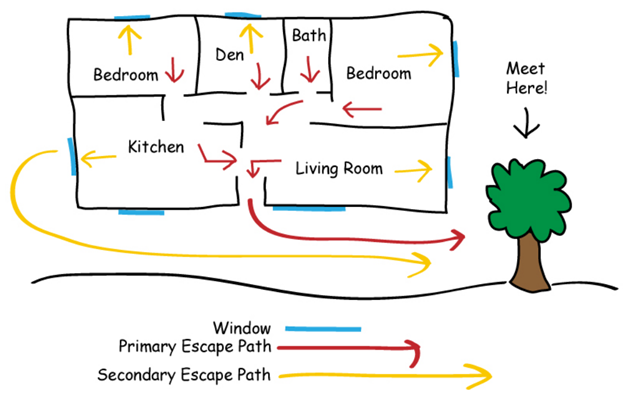
- Include muster or assembly points in the case of evacuations at a safe distance from the building.
- Plan for maintaining necessary on-site services and determine special needs including assistance for vulnerable residents (e.g. medically fragile, mobility issues).
- Have a supply of emergency lighting devices such as LED flashlights to supplement the building’s emergency lighting.
- Determine temporary relocation options such as using other buildings within your portfolio, transportation for tenants.
- Create a resident bulletin board to post regular safety updates and updates in the event of an emergency.
- Consider implementing floor wardens where residents can volunteer to help lead their floor in safety measures in the event of an emergency.
- Establish a designated cooling room/space in a common area where residents can go in an extreme heat event if they do not have air conditioning.
Other locations (e.g. daycares, schools, workplaces)
Disaster can strike while working or when kids are in school so it is important to know their emergency plans and how to stay informed. Find out about their evacuation plans and how they will reach emergency contacts. Parents should confirm what kind of authorization is needed by the school to release their children to someone other than themselves. Be sure to discuss these plans with your children and let them know who could pick them up in an emergency.